Skin research
Collagen findings, small topical studies and the challenge of getting an ingredient through skin.
GHK-Cu research, clearly explained.
GHK-Cu Meds examines copper peptide evidence.

Copper peptide research, explained.
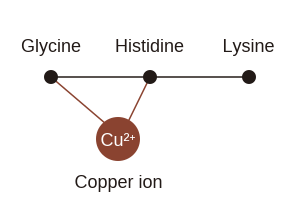
GHK-Cu pairs a three-amino-acid peptide with copper. It is studied for its role in skin and tissue repair, and is known in skincare as Copper Tripeptide-1.
Laboratory findings explain the interest. Human studies are fewer and smaller. This guide keeps those differences clear, from collagen research to the safety questions around different routes. Each topic page identifies the form tested, the study setting and the outcome measured, so a finding stays connected to what researchers actually examined.
Understand the researchCollagen findings, small topical studies and the challenge of getting an ingredient through skin.
What a human combination trial measured, and why it was not a test of GHK-Cu alone.
The difference between reported experiences, clinical observations and unanswered safety questions.
Why a laboratory concentration or an animal experiment cannot establish a human treatment plan.
Clear answers about copper peptides, routes, FDA records and the limits of the evidence.
The studies, reviews and official records behind the guide, with notes on what each can establish.

Cell studies show effects on collagen. The human topical literature is limited, and a visible benefit cannot be assumed from a laboratory result.
A small human trial used GHK without copper alongside another ingredient. Its results do not establish the effect of GHK-Cu alone.
Much of the evidence comes from animal models. Faster wound contraction in rats does not establish a treatment benefit in people.

Topical and injected GHK-Cu need separate consideration. Safety information, study conditions and prescription decisions each have a place in that discussion.
Read about safety